Live Well at Home
Our Live Well at Home program provides occupational therapy services to help people stay safe, comfortable and independent at home. We provide timely assessments and practical recommendations that support mobility, reduce risks and make everyday life easier.
What is Occupational Therapy?
Many people live in homes that no longer match their mobility or health needs. Without support, simple tasks can become difficult or unsafe. Our occupational therapists or ‘OT’ team provide personalised assessments in your home to identify changes that make daily life easier, from home modifications to assistive equipment. These improvements help people stay independent and reduce the risk of injury or harm.







How we can help
Established in 2023, our Live Well at Home program was created to improve access to timely, high-quality OT assessments for older Australians and people with complex health needs. This service helps bridge the gap between what people need and the delivery of essential home modifications, so that people receive support without unnecessary, and potentially dangerous, delays. We focus on a person’s unique circumstances to recommend safe, practical and achievable solutions that improve mobility, independence and overall quality of life.
Our support includes:
Timely and accurate OT assessments
We complete comprehensive in-home assessments that identify safety risks, mobility challenges and opportunities for practical improvements.
Clear recommendations for home modifications
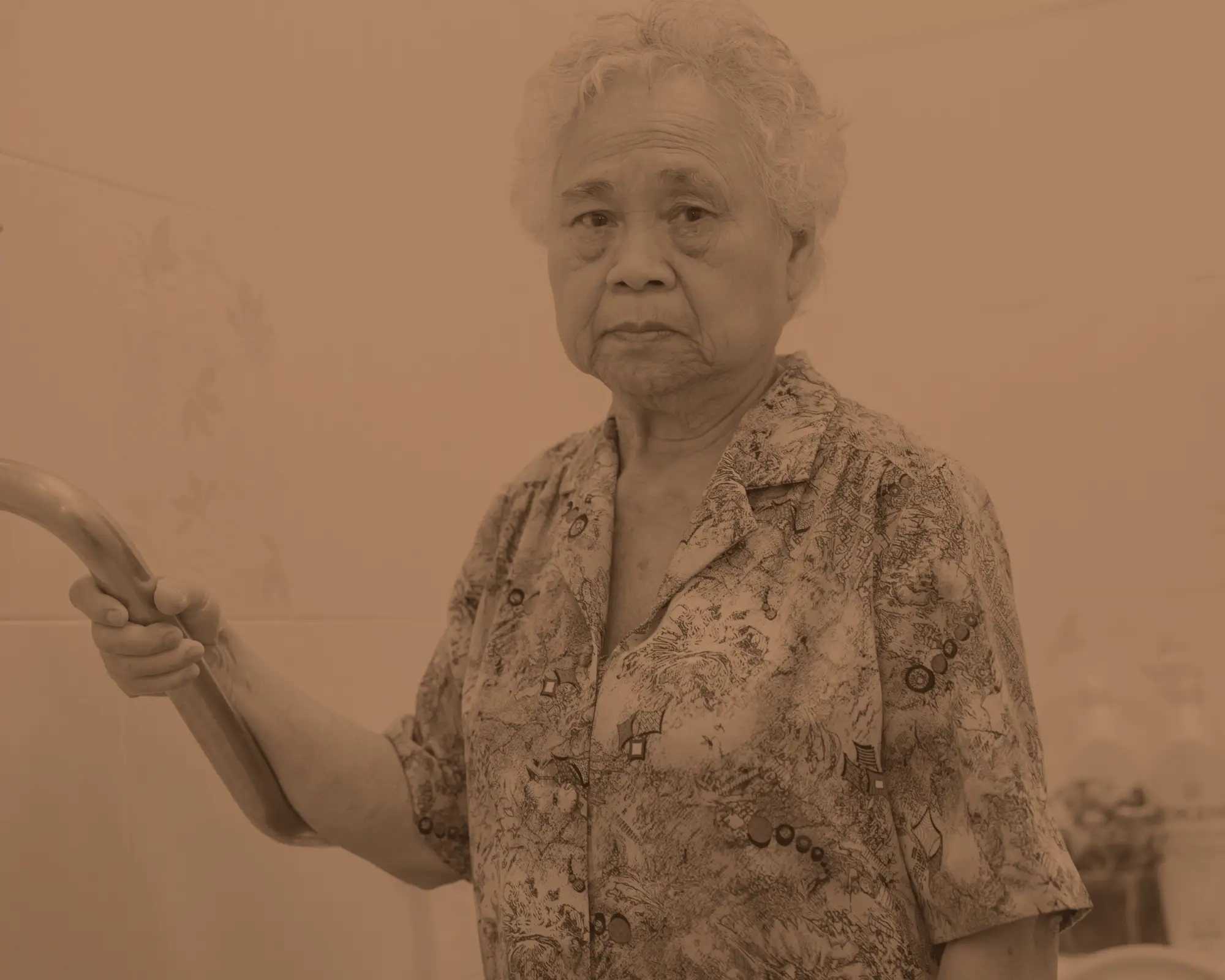
We provide detailed reports outlining what changes or adjustments will help the person live more safely. This may include ramps, rails, step-free access, bathroom changes or other essential adjustments.
Assistive equipment recommendations
We identify equipment that supports daily living, such as shower chairs, mobility aids, pressure care items or household tools that improve independence and safety.
Collaboration with housing providers and stakeholders
We work closely with Homes NSW and other partners to ensure recommendations are clear, achievable and implemented efficiently.
Ongoing support and follow-up
We help clients access additional services from housing support to help with daily tasks, when needed, strengthening long-term safety and wellbeing in the home.
Our compassionate and practical Live Well at Home program places people at the centre of every decision, so that recommendations support their dignity, preferences and independence.
Clients

Linda & John’s story
A tailored OT assessment to help a family find a safe home.
Linda is a single mother living with late-stage kidney failure and requires dialysis three times a week. Her four-year-old son John has complex developmental and behavioural needs that require constant supervision, routine and a stable, familiar environment. When Elder Folks was contacted, it was clear the family was under immense pressure and their current housing situation could not support Linda’s medical needs or provide the safety and stability her son required.
We worked quickly to gather the evidence needed to support an urgent housing transfer. We coordinated a comprehensive functional capacity assessment for John and a home environment assessment for Linda with an Occupational Therapist. These assessments clearly outlined the medical, practical and safety reasons why a more suitable home was essential for the wellbeing of both mother and child.
At the same time, we connected the family with an NDIS provider and helped initiate early intervention and behavioural supports for John. This ensured he had appropriate services in place, and gave Linda reassurance that her son would be supported while she focused on managing her health.
With strong clinical evidence and targeted advocacy, Linda was able to apply for an urgent housing transfer to a home where she can access dialysis safely and continue caring for her son. With the right support now coordinated, the family has greater stability, improved safety and the peace of mind needed to move forward.
Frequently asked questions
These questions help explain how our OT service supports safety, independence and wellbeing at home.
Although we primarily focus on seniors, this program supports people of all ages who have physical or psychosocial challenges affecting daily living. This includes clients with disability, degenerative conditions, chronic illness or mobility limitations. We assess each person’s unique needs to recommend modifications and equipment that improve safety and independence.
During an in-home visit, our qualified occupational therapist reviews mobility, daily routines and safety risks. They assess key areas of the home, such as bathrooms, entryways, kitchens and living spaces. The goal is to understand how the home environment can better support the person’s health, movement and quality of life.
Recommendations may include grab rails, ramps, step-free access, handrails, bathroom modifications, improved lighting or safer flooring. We also suggest assistive equipment like shower chairs, mobility aids or pressure care devices. All recommendations are practical, achievable and tailored to the person’s needs.
Our program was created to reduce delays and ensure faster access to essential support. Reports are delivered promptly, with clear and actionable recommendations that housing providers, home care providers and support teams can implement without confusion or lengthy follow-up.
Yes. We work with housing providers, home care services and support teams to ensure recommendations are understood and implemented. We help clients access the equipment, services or funding they need to make changes safely and efficiently.
If a person’s health or mobility changes, we can reassess the home environment and update recommendations. Ongoing support ensures home modifications continue to meet the person’s needs and allow them to live safely and comfortably.
OT assessments prevent avoidable injuries, reduce hospitalisations and help people maintain independence. By streamlining the process and strengthening collaboration with other service providers, the program ensures modifications are delivered faster and with fewer barriers.