When changes in health or ability affect daily life, our Occupational Therapy program supports people to remain independent by recommending practical supports, modifications and equipment to make everyday tasks easier.
Our services
Elder Folks helps older Australians access safe housing, aged care guidance, in-home support and practical, compassionate help tailored to their needs, across New South Wales.

Our services
We support older Australians to stay safe, secure and connected. Every service is shaped around what matters most to them, so they can age well in the place they call home.
Occupational Therapy assessments
Aged care navigation and support
Understanding aged care can be overwhelming. We listen carefully and help people find the right in-home support for their needs and daily life, or residential aged care when independent living is no longer possible.
Housing stability and homelessness support
A safe home is the foundation for ageing well. We help older people find stable, long-term housing and provide the support they need to feel secure and settled.
Downsizing and relocation support
When a home becomes hard to manage, we help people downsize and move into a home that feels safer and easier to manage, and suits their needs for the stage of life they are in. Each step is planned with care, patience and understanding.
Hoarding and squalor support
We work gently and respectfully with clients who are living in hoarding or squalor conditions. We make homes safer and more manageable, and together create environments that support wellbeing, dignity and peace of mind.
Housing stability and homelessness support
Increasingly, older Australians are experiencing unstable housing or facing homelessness. We help people find safe, long-term housing and stay connected to supports that protect their peace of mind, independence and sense of belonging.
0
Clients
Of the people we supported were experiencing homelessness or housing insecurity.

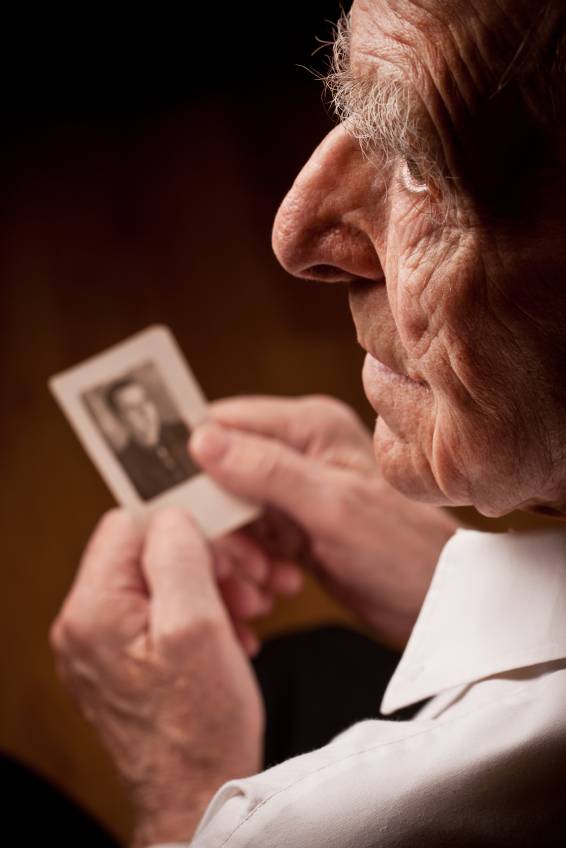
Lawrence’s story
Finding a safe home gave Lawrence the stability he needed to rebuild his confidence and feel hopeful about the future.
After years sleeping rough, Lawrence was facing ongoing uncertainty in temporary accommodation. We worked alongside him to secure a permanent rental and the essentials he needed to settle in, regain stability and feel more in control of daily life.
Aged care navigation and support
Understanding home care support and residential aged care can feel daunting and confusing. We make the process easier by explaining options in an easy-to-understand way and guide people towards the support that feels right for them.
0
Clients
Needed help understanding aged care pathways and the supports available to them.

Craig’s story
Clear guidance and urgent support helped Craig remain living safely at home.
Craig is a kind and quietly spoken gentleman living alone in a Homes NSW property with no known family support. As his ability to manage daily tasks declined, it became clear he was increasingly vulnerable and struggling to cope safely on his own.
Craig showed signs of cognitive decline and his health was deteriorating. He had lost weight, could not shower safely due to limited access to the bath, and his home environment was unsafe. We responded quickly, supporting Craig to register with My Aged Care and coordinating an urgent ACAT assessment to explore both in-home and residential aged care options.
Although Craig initially considered residential aged care, he later decided he wanted to stay at home. We respected his wishes and focused on organising urgent support. Within weeks, we secured approval for in-home care and helped implement a compassionate home care provider able to deliver intensive assistance. Support included an extensive home clean, transport to medical appointments, nutritious meals, domestic help, shopping support and an Occupational Therapy assessment to recommend home modifications and equipment.
Craig’s health, confidence and wellbeing have improved significantly. Today, he is safer, more supported and able to live with dignity and comfort in his own home. Craig’s story highlights how the right advocacy and coordinated support can help isolated older people regain stability, safety and quality of life.
Live Well at Home: Occupational Therapy assessments
Our occupational therapist visits people at home to identify risks, recommend modifications and support independence. Even small changes can make daily life safer, more comfortable and more manageable.
0
Clients
Required home modifications to reduce falls and improve everyday safety.
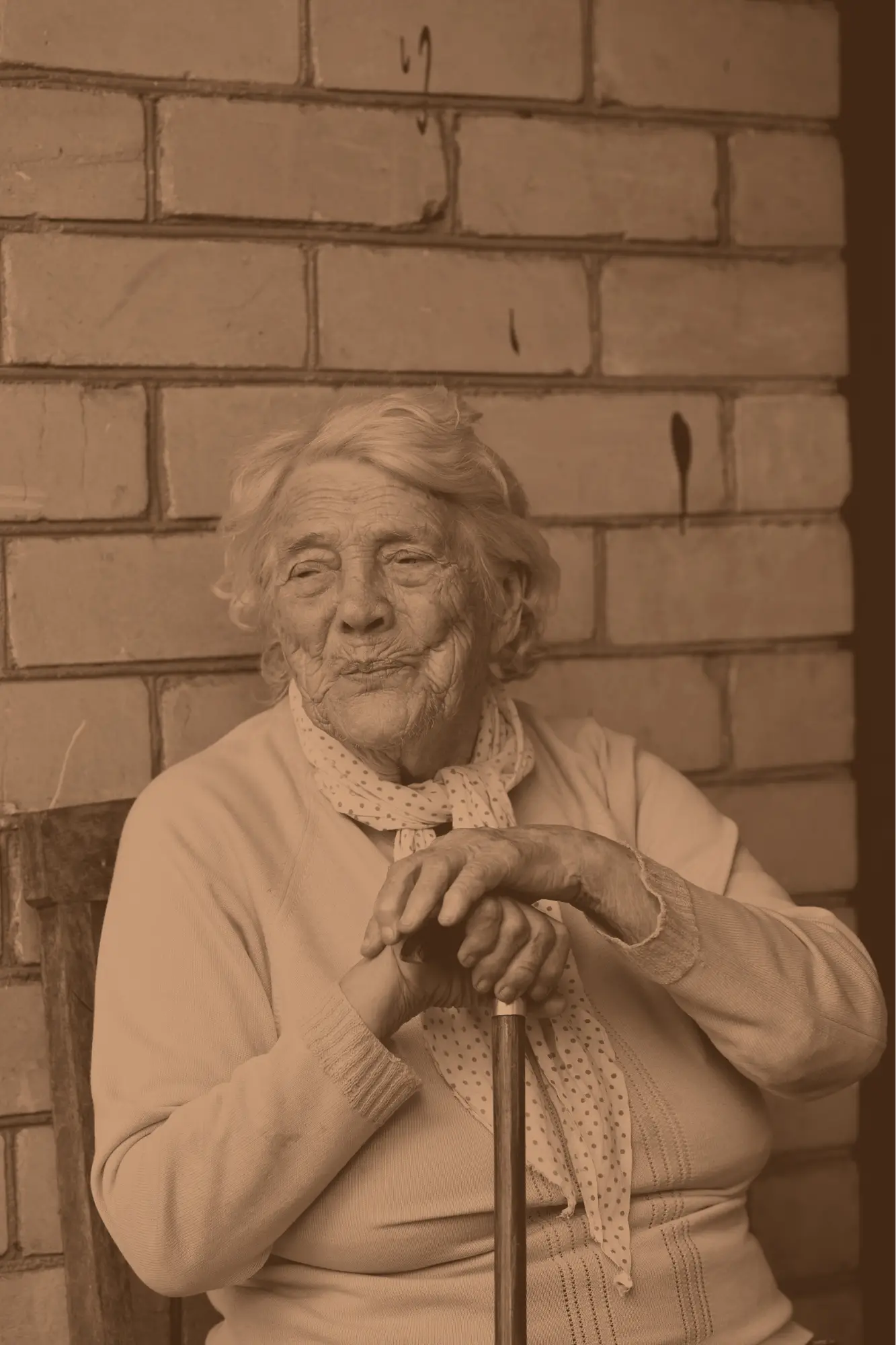
Louise’s story
Home modification helped Louise stay safe, comfortable and independent in the home she loves.
Louise is a warm, chatty 81-year-old woman living with her husband, Tom. She experiences significant joint pain, which has made mobility increasingly difficult. Over time, everyday tasks — particularly showering — became painful and unsafe, increasing her risk of falls and threatening her independence at home.
Louise’s bathroom was no longer suited to her needs. Stepping into the bath, standing in the shower and maintaining balance had become challenging and unsafe. We arranged an Occupational Therapy assessment to identify practical modifications and equipment to improve safety and make personal care easier.
Recommendations included removing the bath to extend the shower recess, installing a grab rail, providing a shower chair and replacing the fixed shower head with a handheld hose attachment. These changes transformed the bathroom into a safer, more accessible space.
Louise can now shower with greater comfort and confidence, reduce her risk of falls and remain independent in her own home for longer — with dignity, safety and peace of mind.
Restoring Homes & Wellbeing: Hoarding and squalor support
We work respectfully with clients to improve safety in homes affected by hoarding or squalor conditions. Each plan is tailored to the person’s pace, preferences and support needs, so changes feel achievable.
0
Clients
Were living in homes with significant safety concerns before receiving support.

Betty’s story
A trauma-informed approach helped Betty move from a tenancy crisis to a safe, supported home.
Betty is a 65-year-old woman with a deeply traumatic history. We became involved to support her with serious property care concerns, as her living environment met the criteria for severe hoarding and squalor, including animal hoarding. The situation put both her health and her tenancy at significant risk.
Accepting support was extremely difficult for Betty. She strongly rejected labels such as “hoarding” or “squalor” and was struggling to see the problem, as acknowledging the condition of the home felt unsafe and overwhelming. At the same time, Betty often expressed feeling alone and uncared for, which made trust and engagement challenging. Multiple cleans and support were provided to Betty over an 18-month period, but she was still faced with an eviction. Now, she was at real risk of homelessness.
We supported Betty using a trauma-informed, relationship-based approach built on patience, consistency and respect. While the tenancy could not ultimately be saved, our Homelessness Team stepped in quickly to prevent the crisis and supported Betty to relocate into a more manageable one-bedroom apartment. We also helped her access a Support at Home package, including regular cleaning support to maintain her new home.
Betty is now in her own home, safer, and connected to ongoing supports. While her journey is still unfolding, she’s no longer facing homelessness and alone.
Moving with Meaning: Downsizing and relocation support
Moving is a major step, especially later in life. We support older people through each stage so they can settle into a home that suits their needs, routines and sense of comfort.
0
Clients
Successfully relocated to safer, easier-to-manage homes with our guidance.
Helen’s story
A supported move helped Helen be closer to family and feel more comfortable, settled and at home in their new place.
After years in her family home, Helen decided it was time to downsize. While she still valued her independence, the house had become too much to manage on her own — and she wanted to be closer to her son for support and connection.
Helen’s priority was finding a smaller home that felt safe, comfortable and easy to maintain, while still offering privacy and a sense of community. With Elder Folks support, she explored retirement village options near her son and found a one-bedroom unit that suited her lifestyle and budget.
Elder Folks assisted Helen through the move, supporting her to sort and downsize her belongings, organise packing and removalists and settle into her new home. Since relocating, Helen has the comfort of being close to family, the freedom of living in a more manageable space and the added benefit of social connection and community activities.
Testimonials
Some kind words from our clients, their families, and our trusted partners who felt supported, reassured and comforted when they needed it most.